Why Three Versions?
When I first began writing The Cursed Reliquary Chronicles, I thought it would be simple: dust off an old Supernatural fanfic from years ago, reset it in the Middle Ages, add a splash of gothic tension, a dash of dark magic and—voilà—the dark gothic romantasy of my dreams.
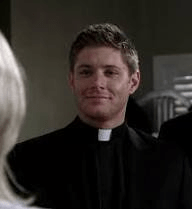
Image may or may not be entirely related…
Stories are rarely as cooperative as early confidence suggests. After finishing the first draft—a story of devotion, danger, temptation, and a devastatingly gentle Warlock—I shared it with family and friends. My niece—my amazing, hilarious, intelligent, very gay niece—absolutely loved it. She was especially taken with the quick-witted, world-weary heroine with the mysterious past, Irish accent, and Celtic attitude.
“She’s such a unique character, especially for a female lead!”
Sure, I quietly agreed.
“I love her! You think you might eventually write something with her, for someone like me?”
It was a small question, but it quietly rearranged everything.
The truth is, most modern stories don’t follow rigid gender or pairing rules anymore. Girls can be masculine, boys can be feminine. Heroes can be shy, villains can be sympathetic, and the demigod of land and sea can have unresolved abandonment issues.
Gender doesn’t determine personality. It hasn’t for a while. But personality definitely determines plot. In my world, that conflict looks something like…
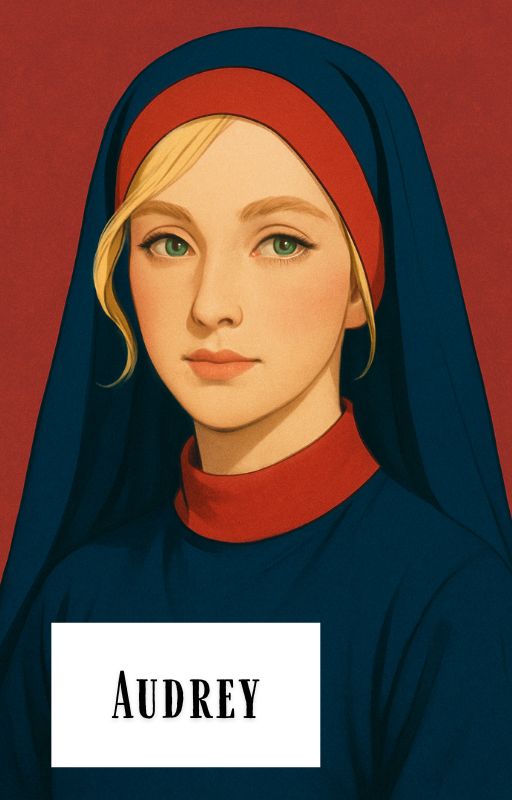
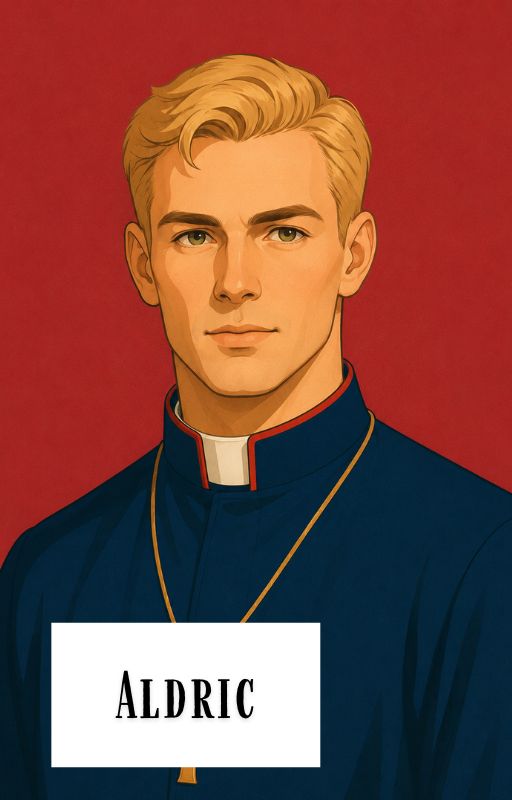
The Devoted Worrier
Blessed, stressed, and trying their best — Devoted and noble, torn between duty and personal desire, utterly forbidden from kissing any and all mysterious Irish strangers, regardless of gender, but nevertheless…
Falls in love with the…
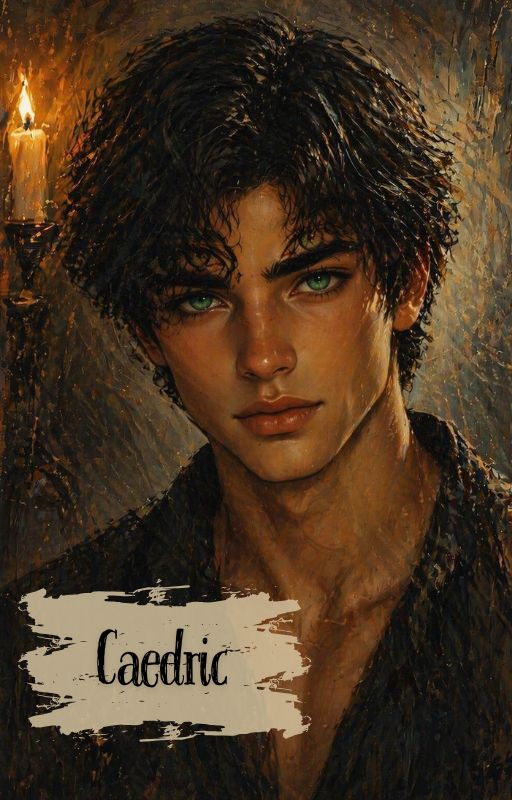
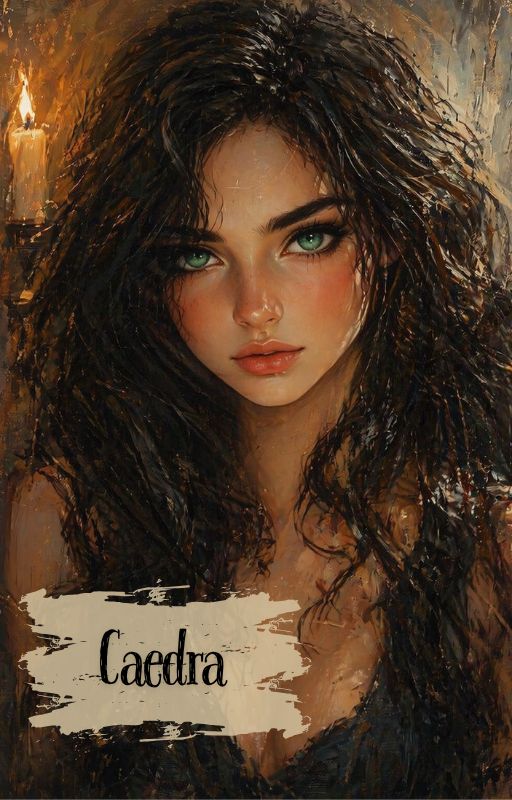
The Beautiful Disaster…
Hot, haunted, and wholly unrepentant — Tragedy wearing a pretty face: cursed by fate, adored by chaos, irresistible to anyone with a pulse and who has…
Who has already been claimed by the...
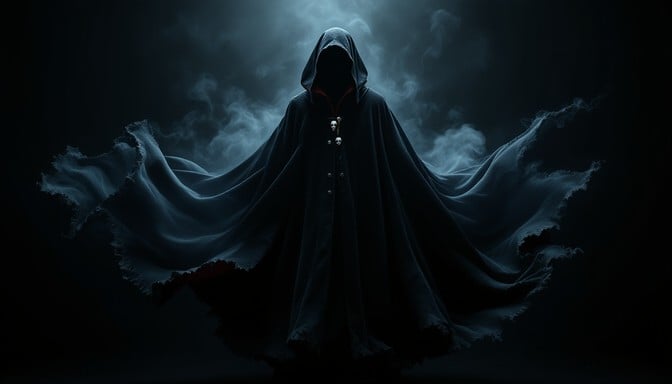
The Tender Villain
Big, Bad, and Breathtakingly Gentle — A monster with perfect manners, wicked intentions, and a soft spot for beautiful cracks in beautiful people
Put these three at the edge of a medieval forest, the story writes itself: Temptation. Redemption. Danger. Stakes. It all flows the same regardless anyone’s gender. The outfits might change; the dynamics do not.
Archetypes are universal because they represent different personalities. Personality creates conflict and chemistry—and, by result, choice. And character choices drive stories. Not character gender.
Once I locked in on that, the rest seemed easy.
At least, that was the idea—until I actually sat down at my computer.
Writing one novel is hard enough. Writing multiple parallel editions of the same novel is organized chaos. Each version has to feel intentional, not incidental. Pronouns affect rhythm. Emotional beats land differently depending who’s speaking. A moment that feels restrained in one version may feel repressed in another.
Then there were the details: What’s the female version of Father Aldric? Sister Audrey. What’s the female version of a warlock? Hmmmmm. Would a nun be allowed to travel alone in the Middle Ages, same as a priest? …yes. What’s the difference between a nun and a scribe? Suddenly I was neck deep in research and rewatching the first third of The Sound of Music for reasons that felt increasingly transcendental.
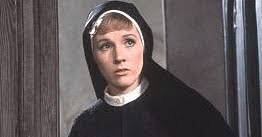
(Can girl Aldric sing?)
When it was all said and done, the stories were different (especially the spicy scenes). But they worked the same.
Why don’t more people do this?
The answer became obvious fairly quickly after that. Because it’s a logistical and publishing nightmare!
First there are the titles (same) and subtitles (different). Covers (different and expensive). Tagline (same). Blurbs, metadata, categories, subcategories (different). Front matter (different). Back matter (sometimes different). And once everything is finally done?
Formatting. Formatting. Formatting.
None of this was efficient, or what I originally imagined I was signing up for. But the chaos was intentional. And, as my Irish FMC/MMC Immortal would say, “Maybe there’s a touch o’ martyr in it.”
Choice was always central to The Cursed Reliquaries. Both main characters fight to define themselves against systems that try to control them. Both resist other people’s rules. They refuse to let others take their choices. So it made sense to let readers choose their own version of that story—their own individual canon.
In the end, my niece’s question wasn’t about romance. It was about belonging, and whether stories of forbidden longing, danger, and devotion can include her without asking her to rewrite herself to fit into someone else’s fantasy.
I say they can.
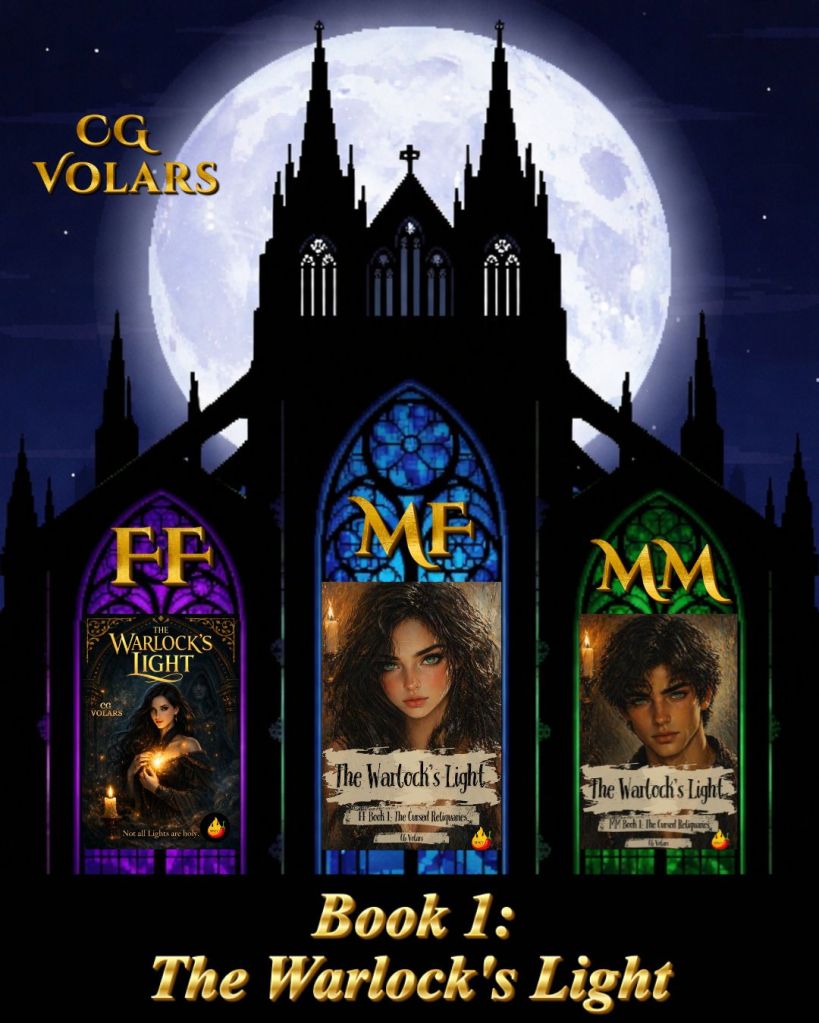
Three versions.
One story.
Three ways to fall.
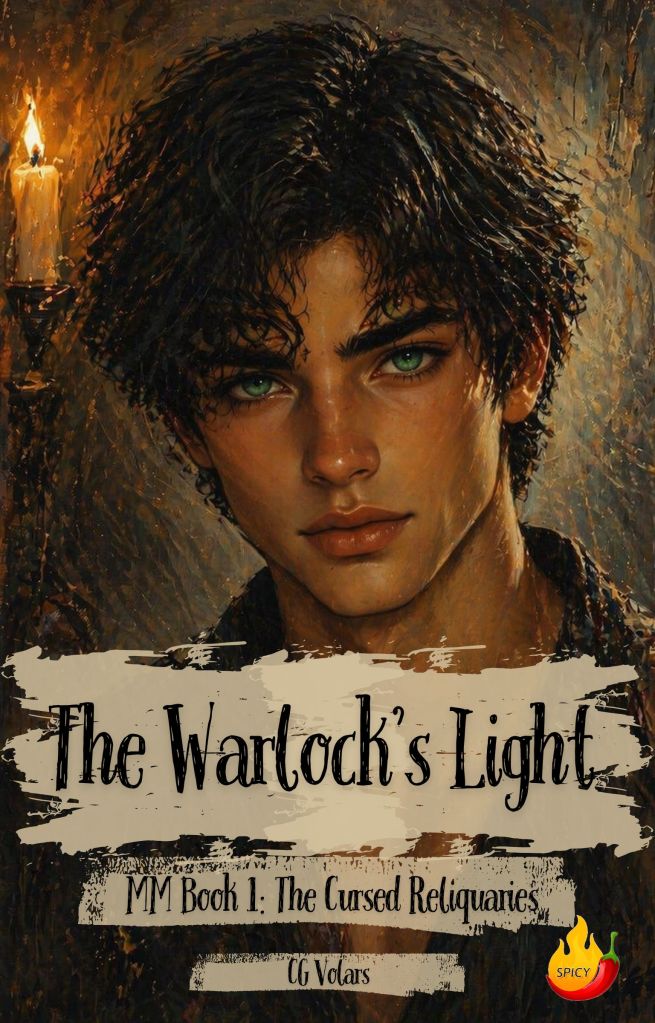
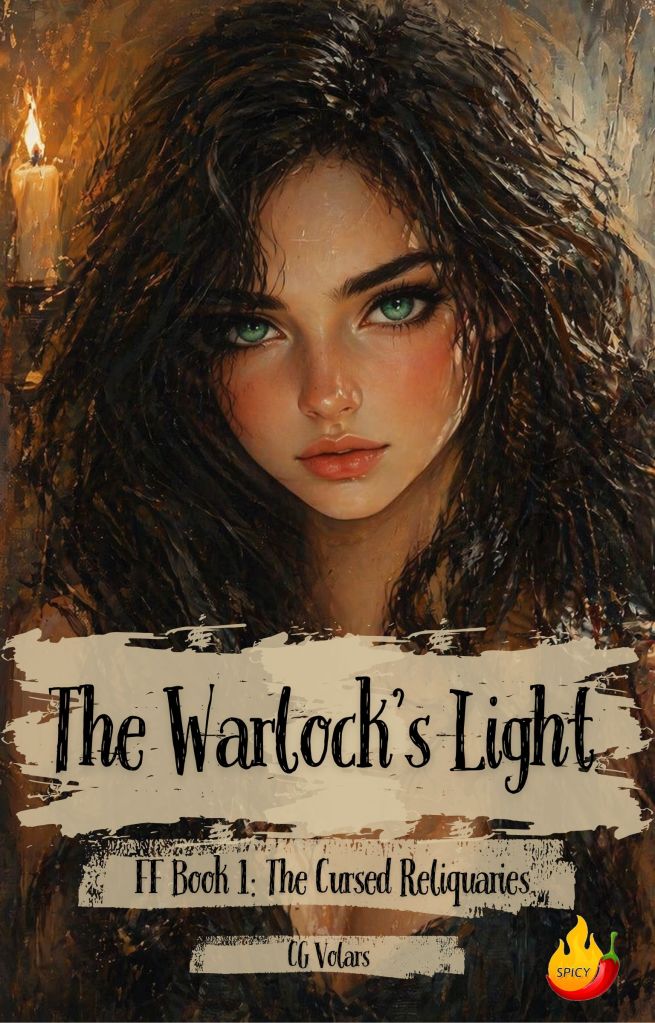
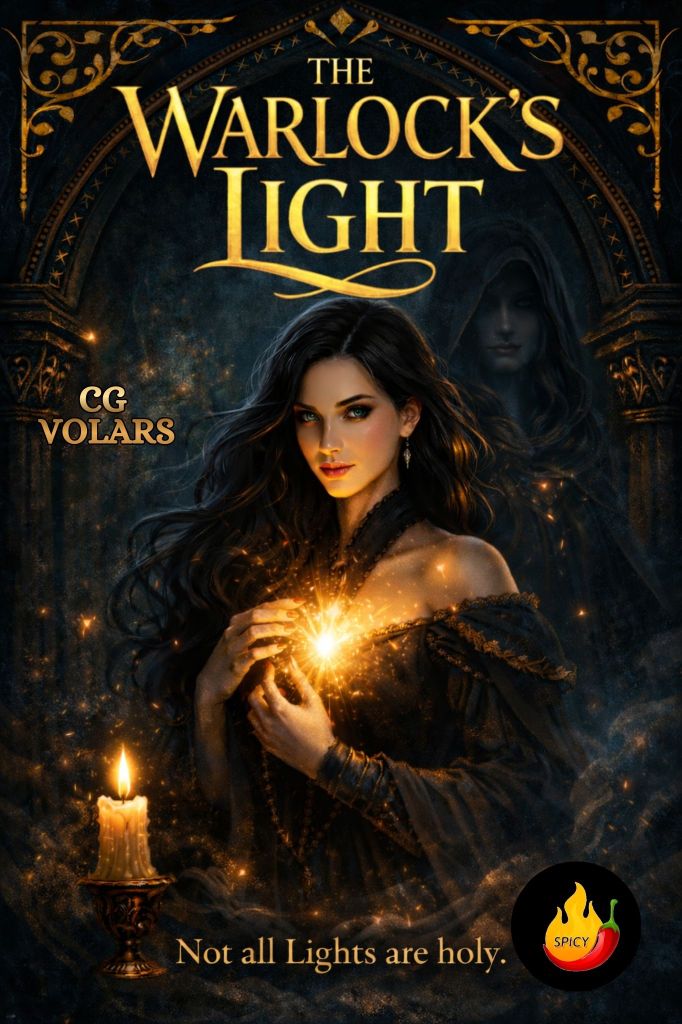
- M/F Edition — a forbidden romantasy of temptation and devotion.
- F/F Edition — a sapphic tale born of quiet yearning and fierce grace.
- M/M Edition — a queer fantasy of vulnerability, fire and forbidden desire.
Choose the ship that calls to you — the reliquary opens the same no matter whose hands hold it.